TL;DR
Inglewood is Calgary's oldest neighbourhood, and buying here takes local knowledge. Homes for sale in Inglewood, Calgary range from early-1900s character houses to modern infills and condos. In 2026, condo buyers hold the negotiating power, while sharp detached listings still sell fast. This is the playbook I use with my own buyers.
Why Do Buyers Love Inglewood?
Buyers love Inglewood for its rare mix of history and location. You get a walkable heritage main street, independent shops, live music venues, and river pathways, all minutes east of downtown.
Inglewood sits where the Bow and Elbow Rivers meet, so riverbank trails start steps from many front doors. City planning documents describe its fine-grained streets and its blend of homes, shops, and workspaces. That texture also sets Inglewood real estate apart from newer suburbs, where builders delivered most housing within a single decade.
I meet three kinds of buyers here again and again. Young professionals want to bike to work, downsizers want character over square footage, and relocating buyers from Toronto or Vancouver want a neighbourhood that feels settled on day one. Retirees also land here after selling larger suburban homes, trading yard work for river walks. As a result, each group competes for a limited pool of homes, and that shapes how you should shop.
The trade-off is age. Many original homes here date to the early twentieth century, so expect older wiring, foundations, and plumbing behind the charm. In addition, some streets carry heritage designations that protect facades and streetscapes. Still, go in with a realistic inspection budget, and the age becomes part of the appeal.
What Kinds of Homes Can You Buy in Inglewood?
Inglewood offers four main options: character homes, modern infills, townhomes, and condos. Ultimately, which lane fits depends on your budget, your maintenance appetite, and how much space you need.
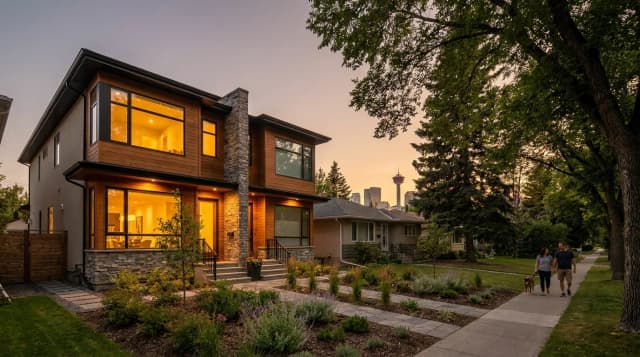
Original houses anchor the quiet residential streets, many of them renovated from studs to shingles. Alongside them, builders have added contemporary infills on narrow lots, while condo and loft projects cluster along the main-street corridors. Planning policy encourages that mix, so expect the variety to keep growing.
| Home type | What you get | What I tell buyers |
|---|---|---|
| Character home | Early-1900s charm, mature trees, established streets | Budget for inspections and upgrades |
| Modern infill | New construction, efficient layouts, warranties | Vet the builder and the lot zoning |
| Townhome or row house | Extra space without detached pricing | Negotiate; this segment shows oversupply signs |
| Condo or loft | Lock-and-leave living near the shops | Supply favours you, so take your time |
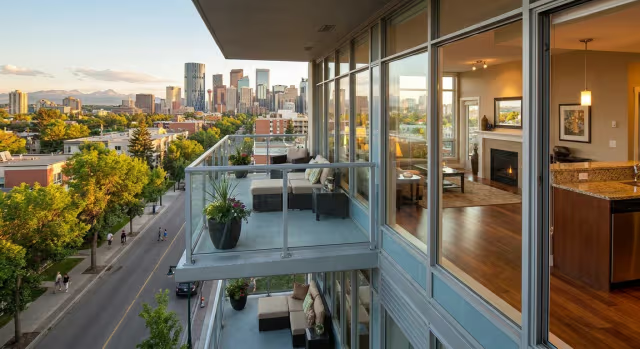
Condo shoppers can pick from suites in new mixed-use buildings or lofts in converted heritage structures. Inglewood condos also compete with a wave of new rental buildings for the same residents. In addition, parking, storage, and condo-fee history deserve as much attention as the finishes. Meanwhile, detached inventory stays thin, because the neighbourhood has almost no room for new single-home lots.
The transition zones matter for value hunters. Developers can turn former industrial and underused sites into townhomes and mixed-use buildings over time, adding newer stock without touching the historic streets. Buyers near those pockets should expect construction phases, and likewise consider what a maturing corridor could do for long-term value.
What Does the Inglewood Market Look Like in 2026?
The market sits in balanced territory overall, with one clear exception: apartment condos now favour buyers. Detached and semi-detached homes hold steadier, and the best ones still move fast.
Inglewood belongs to the Calgary Real Estate Board's City Centre district, where the benchmark price sat near $554,500 in December 2025. Citywide, CREB's housing statistics show a July 2026 benchmark of roughly $569,200, about 2% below the year before. Meanwhile, homes take longer to sell: median days on market climbed from 24 in July 2024 to 40 in July 2026.
I also watch average prices, and they moved the other way this year. The citywide average rose to about $629,855 in July 2026, up roughly 2% year over year, because more of the sales mix came from the upper end. For my luxury clients in particular, well-finished properties keep drawing strong offers in a softer market.
How the Segments Split
Apartment benchmark prices fell more than 8% year over year in July 2026, with nearly five months of supply in that segment. In contrast, detached prices eased less than 2%. Overall supply sits near three and a half months, which signals balance rather than a downturn.
Activity has cooled without collapsing. Calgary recorded 1,904 sales in July 2026, down about 9% from a year earlier, while new listings fell 15% to 3,323. As a result, the sales-to-new-listings ratio held near 57%.
Affordability still frames most showings. City of Calgary reporting shows median home prices up about 42% since 2019, so even a softer stretch leaves values well above 2019 levels. Rate relief helps; nevertheless, prices remain the bigger hurdle for most households. Sellers of strong detached homes know it, and they hold firm against low offers.
How Should You Run Your Inglewood Home Search?
Choose your product type first, then arrange financing before you tour anything. After that, you shift to due diligence on the specific home and its street.
- Pick your lane. A character home, an infill, and a condo each demand different budgets and timelines. Decide first, and your shortlist gets sharper overnight.
- Get pre-approved early. The Bank of Canada policy rate has held at 2.25% through 2026, which keeps borrowing costs friendlier than during the recent tightening cycle. A firm pre-approval lets you move the day the right listing appears.
- Check the flood designation. Streets near the rivers can fall in floodway or flood fringe zones, and each zone carries different building rules. Consequently, I dig into this on every riverside file.
- Confirm heritage status. Some properties carry designations that limit exterior changes. Know what you can renovate before you write an offer, especially on a century home.
- Think like a landlord if you plan to rent it out. New rental buildings compete for the same tenants, and vacancy climbs highest in the priciest units. Run your numbers with conservative rents.
- Match your pace to the segment. Move fast on a strong detached listing; take your time on a condo. A local Inglewood realtor who tracks listings weekly can tell you which mode applies.
Buying a home in Inglewood involves more paperwork than a typical Calgary purchase. Between flood maps, heritage files, and older-home inspections, I build extra review time into every offer, and my clients thank me later. Sellers respond to clean, well-financed offers, and word also travels fast in a neighbourhood this tight-knit.
Is Inglewood a Smart Long-Term Buy?
I believe it is, if you buy the right product with clear eyes. Scarce ground-oriented homes near downtown tend to hold value, while condos demand more careful selection right now.
Demand has deep roots. Calgary keeps drawing movers from pricier cities, and CMHC expects inner-city neighbourhoods to stay on those shortlists as migration continues. Additionally, new detached lots are rare here, so established homes carry scarcity value that newer districts lack.
Purpose-built rental supply grew about 11% in 2025, the fastest pace in decades, and vacancy sits near 5%, so condo investors face serious competition from professional landlords. House flipping has also cooled. Bank of Canada data showed close to 7% of Calgary purchases resold within a year, the highest share among major Canadian cities. The pace has subsequently eased toward balance.
The outlook stays measured rather than dramatic. CMHC expects Calgary sales to hold near 2025 levels through 2026, with modest average price gains led by detached homes. Condo values, by comparison, should stay flat or drift lower while the market absorbs the extra supply. Patient condo buyers still come out ahead.
Flood risk deserves its own line item. Check the City of Calgary flood maps before you fall for a riverside address, because floodway rules can cap what you rebuild or expand. Similarly, insurance costs and financing terms can shift with the designation. Many Inglewood homes sit outside the hazard zones; you want to know which kind you are buying.
Where I'd Focus Right Now
Condo buyers should shop hard and negotiate harder, because the supply math runs in your favour. Detached buyers should have financing ready and act fast when a renovated character home hits the market. You can browse homes for sale in Inglewood, Calgary through my custom search. Sellers of well-kept character homes still hold a strong hand, especially with buyers arriving from bigger markets.
Investors get my most conservative advice. Target buildings with healthy reserve funds, price rent expectations against the newest rental towers, and favour mid-range product over the top of the market, where vacancy runs highest. The math can still work when you feed it honest inputs.
Inglewood blends history, river pathways, and one of Calgary's most loved main streets into a neighbourhood people settle into for decades. If you are weighing a move here, I am happy to talk through streets, buildings, and timing over a coffee on 9th Avenue. Bring your questions about specific blocks; after years of walking this neighbourhood, I keep notes.